
-
![]()
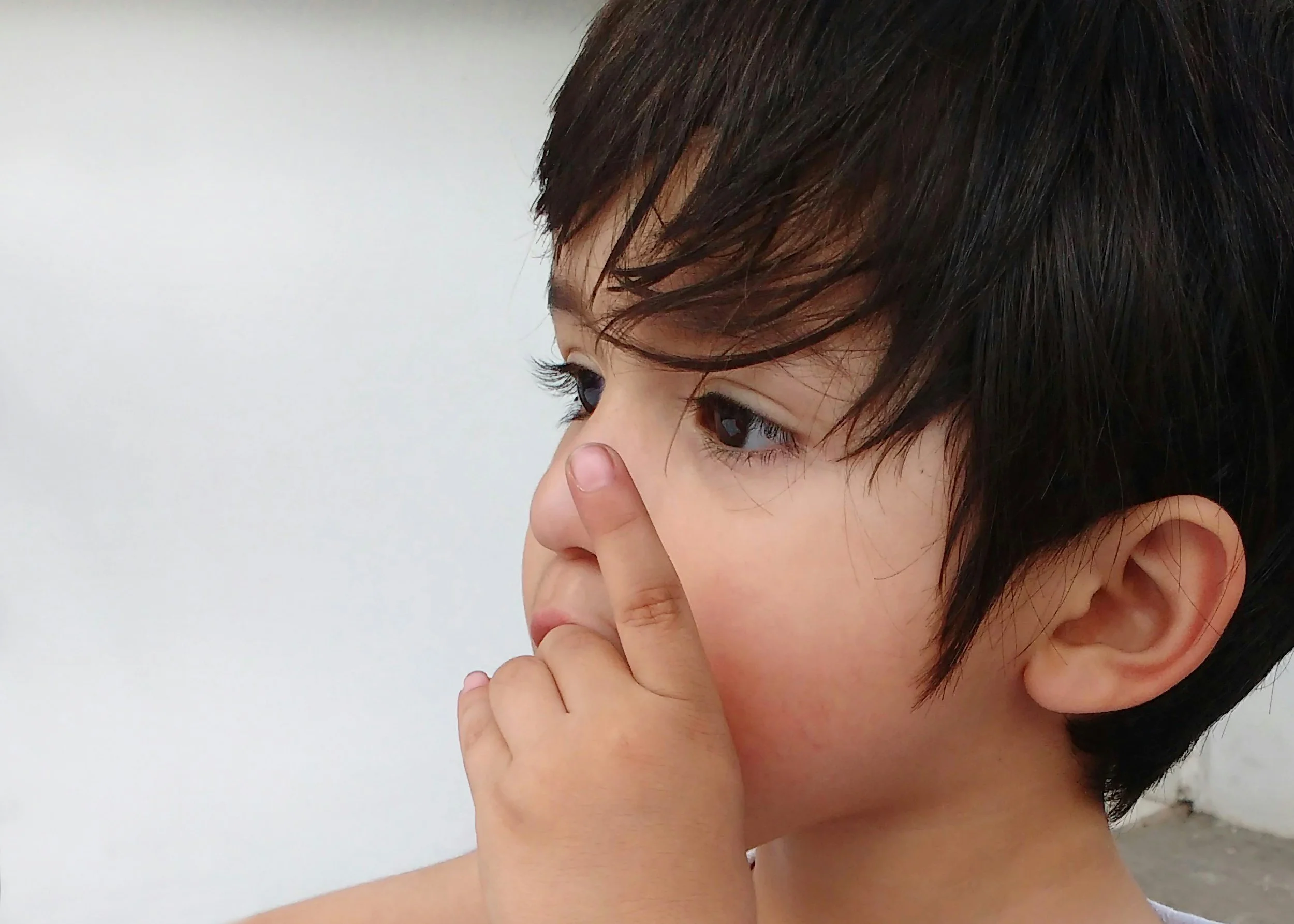
-Self Touching -
Understanding Comfort-Seeking Behaviors in Neurodivergent Children
-
![]()
-Catching the Signs Before the Storm-
Learn how to identify physical and emotional cues that may signal overwhelm and discover supportive techniques that help children regulate before a tantrum occurs.
-
![]()
-Beyond Picky Eating: Understanding Food Sensitivities-
A compassionate guide for parents, educators, and support staff exploring the reasons behind picky eating and practical strategies for expanding food variety without pressure, stress, or shame.
-
![]()
- Understanding Interrupting, Oversharing, and Staying on Topic -
Understanding Communication Differences and Supporting Social Success



-
![]()
-Making car rides more comfortable-
Car rides can be challenging for many neurodivergent individuals due to sensory sensitivities, anxiety, motion discomfort, and the need for predictability. Try these ideas.
-
![Understanding Clumsiness]()
-Understanding Clumsiness-
Clumsiness is a common neurological difference that can affect coordination, balance, body awareness, and motor planning. This explains why it happens, how these skills develop over time, and practical prevention-focused strategies that help children and adults build confidence, independence, and success in everyday life.
-
![]()
-Understanding Eye Contact-
Eye contact can look different for many neurodivergent individuals. This resource explains why these differences occur, what they may look like in children and adults, and practical strategies for supporting communication, connection, and confidence without forcing eye contact.



Didn’t find it?
Let us know what resource you are looking for and one of our volunteers will reach out to help you get the resources you need.